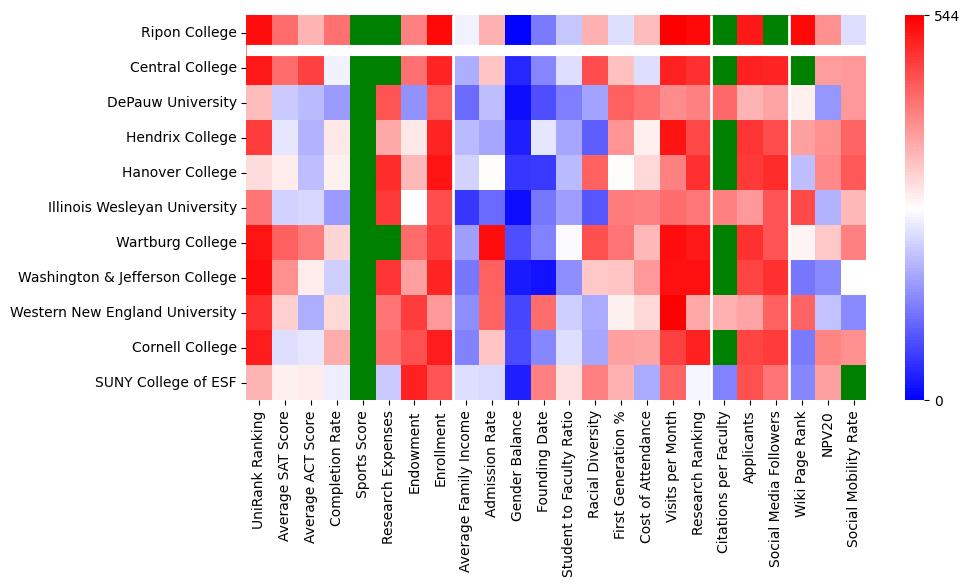
Nestled in the small town of Ripon, Wisconsin, Ripon College is a private liberal arts college with a rich history dating back to its founding in 1851. Originally established by local residents and members of the Congregational Church, Ripon has grown into an institution that values academic rigor and community engagement. Despite its modest size, Ripon has made a name for itself by maintaining a strong sense of community and offering a personalized educational experience. The college's picturesque campus, with its blend of historic and modern architecture, provides an inspiring setting for both students and faculty.
What sets Ripon College apart is its commitment to individualized attention and experiential learning. The college boasts a low student-to-faculty ratio, ensuring that students receive personalized instruction and mentorship. Ripon emphasizes active learning through internships, study abroad programs, and undergraduate research opportunities. Additionally, the college's Catalyst Curriculum, introduced a few years ago, is designed to equip students with essential skills such as critical thinking, communication, and problem-solving, making them well-prepared for the challenges of the modern world.
Academically, Ripon College is known for its strong programs in biology, business management, and psychology. The college's biology program, in particular, is highly regarded, offering students opportunities to engage in hands-on research and collaborate with faculty on projects. The business management program emphasizes real-world applications and leadership development, while the psychology department provides a comprehensive understanding of human behavior through both theoretical and practical approaches. Ripon's commitment to academic excellence is reflected in its graduates, who often go on to pursue advanced degrees or successful careers in various fields.
While Ripon College offers a robust educational experience, there are some areas that prospective students might consider. The college's small size, while fostering a tight-knit community, can sometimes limit the diversity of extracurricular activities and course offerings compared to larger institutions. Additionally, its location in a rural setting might not appeal to those seeking a bustling urban environment. However, the college works to counterbalance these aspects by providing ample on-campus events and fostering a close community where students can make meaningful connections.